Here are our ten favourite things to do, from the local crew at Coromandel Ocean Adventures in Tairua.
The Coromandel Peninsula packs volcanic islands, sea caves, white-sand bays, gold-rush history and native bush into a region you can drive around in a day. But the best of it takes a little more effort: a short walk over a headland, a paddle through a sea cave, or a boat ride out to islands most visitors never see. Here are our ten favourite things to do, from the local crew at Coromandel Ocean Adventures in Tairua.
1. See the Coromandel from the water with Coromandel Ocean Adventures
Most visitors see the Coromandel from the road. But the coastline that made this pocket of New Zealand famous is best seen from the sea: where you can experience sea caves, volcanic islands and sheltered bays you simply can't reach by car.
Here at Coromandel Ocean Adventures we run small-group boat tours from Tairua Marina, skippered by two locals who grew up on this water.
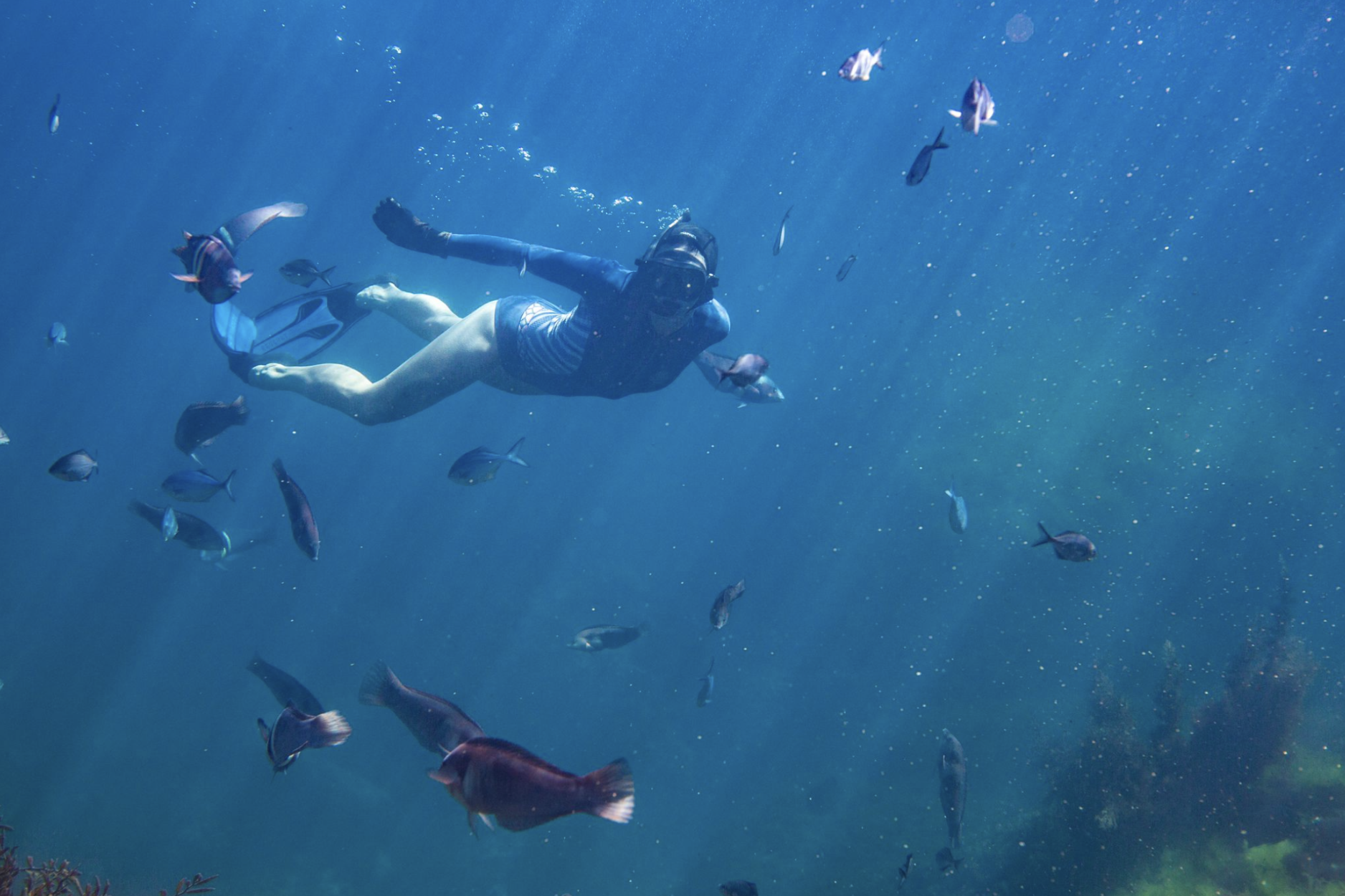
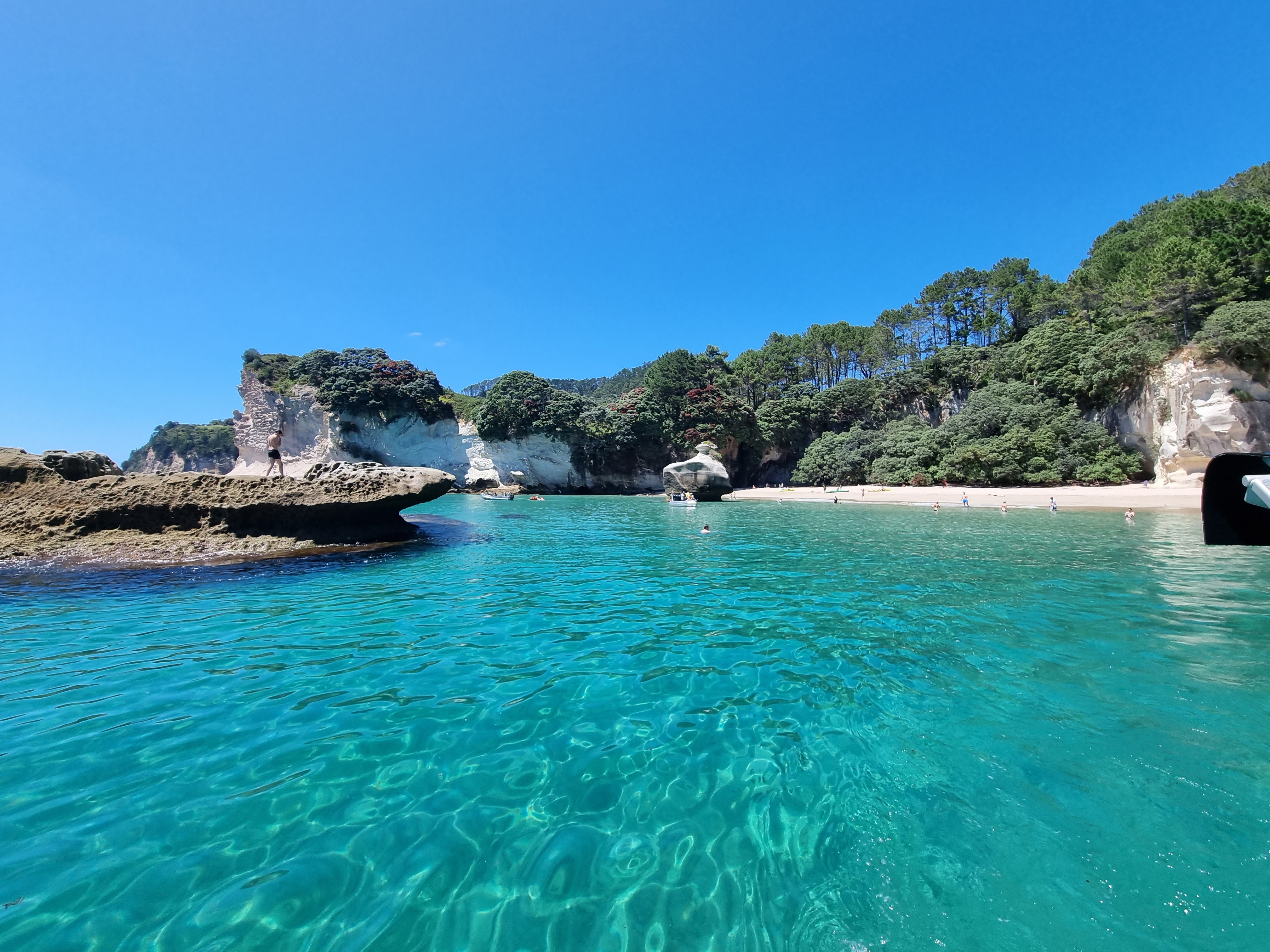
You can choose from two different tours, each leaving in both morning and afternoon slots, so planning your day around the tour becomes easy. The two-hour Aldermen Islands (Te Ruamāhua) tour heads out to a remote nature reserve of rhyolite domes and cliffs rising hundreds of metres from the sea. The two-hour Cathedral Cove Summer Special takes in Orua sea cave, Hot Water Beach and Te Whanganui-o-Hei Marine Reserve. Each tour has the opportunity to jump in and have a snorkel in the water, with all gear provided. Keep an eye out for little blue penguins, gannets, dolphins, seals and, on lucky days, even orcas and whales!
Good to know: routes change with the sea and tides, so no two trips are the same. View the tours
2. Climb Mount Paku for the best view in Tairua
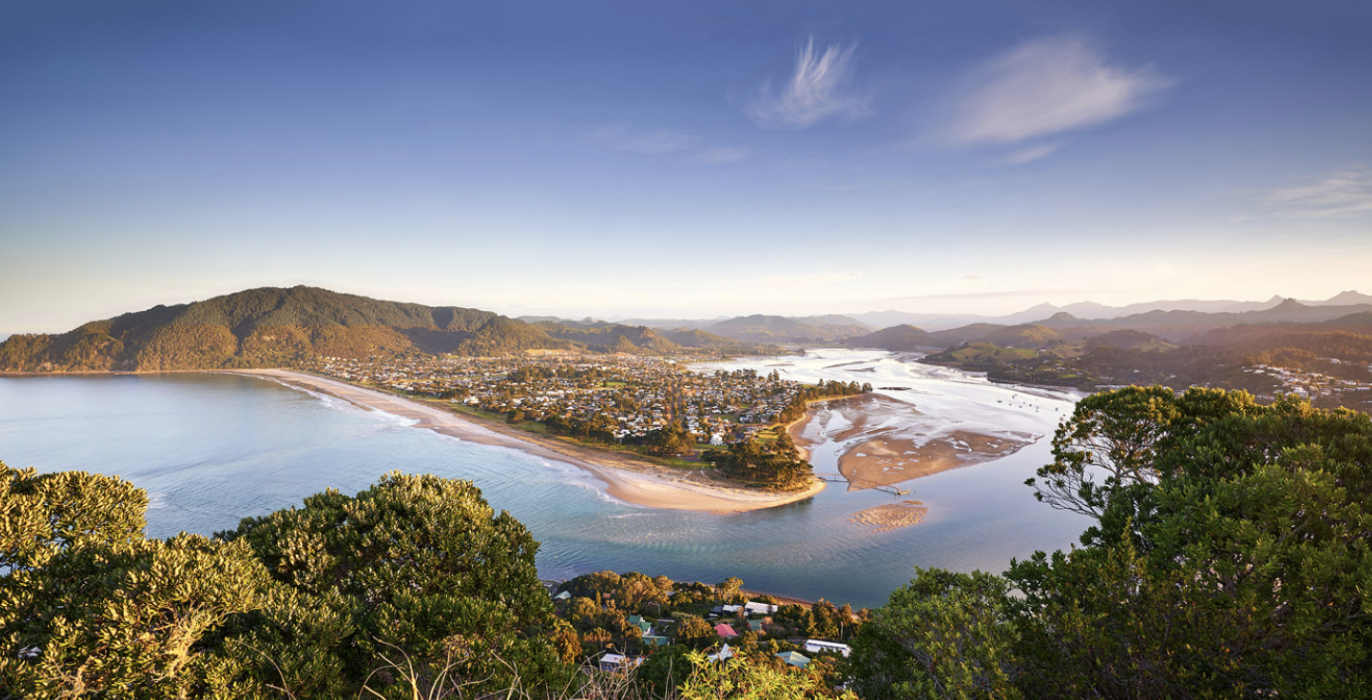
Paku is the twin-peaked volcanic dome guarding the northern head of Tairua Harbour, and its summit walk is one of the best short-effort, big-reward walks on the peninsula.
Drive most of the way up Paku Drive to the small car park, then it's around 15–20 minutes to the top. The track winds through native bush before a steep scramble over boulders just below the summit, so wear proper shoes and keep a hand on little ones. From the 179 m summit the view stretches almost all the way around: Tairua township and estuary, Pauanui across the harbour, Slipper and Shoe islands just offshore, and on a clear day the Aldermen and Mercury Islands on the horizon.
Paku was once a Ngāti Hei pā area (home to the Māori iwi of the Mercury Bay and Coromandel Peninsula) and panels along the track cover its history and geology.
Good to know: for a longer walk, start at the southern end of Tairua's ocean beach and follow the walkway signs up. Go early or at sunset for the best light and fewer people.
3. Walk (or boat) to Cathedral Cove / Mautohe
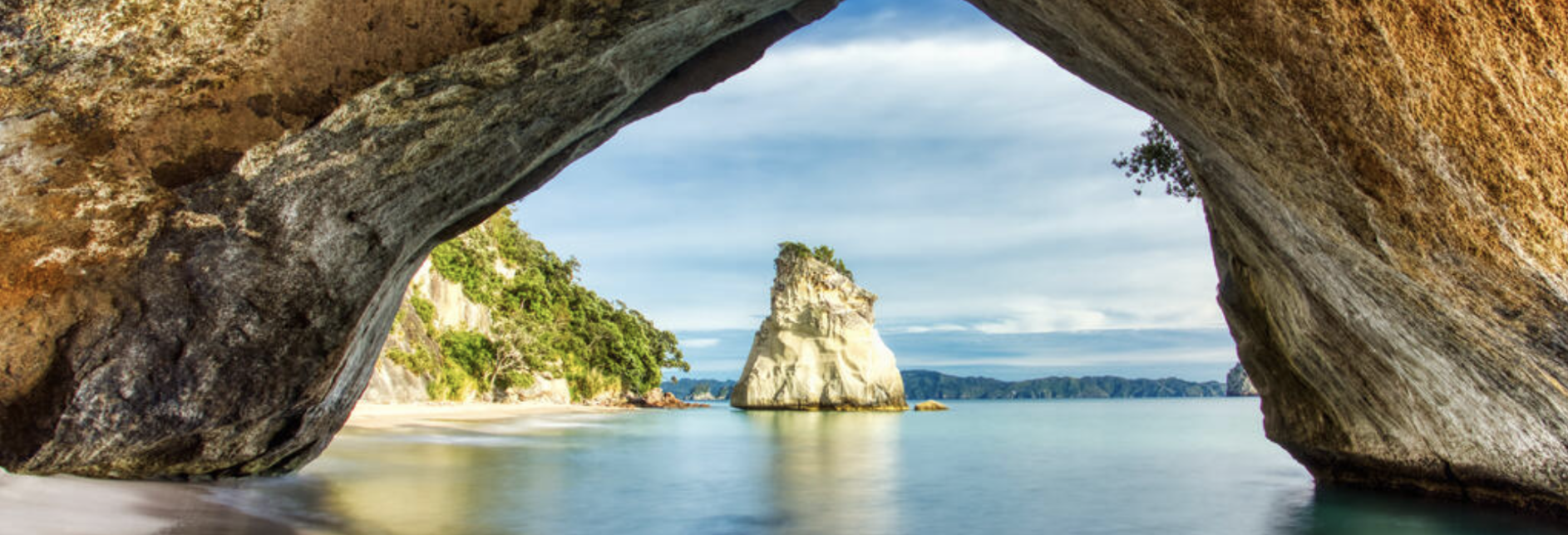
‘Mautohe’ Cathedral Cove is the Coromandel's most famous beach for good reason: a towering natural rock arch, white sand and clear water inside Te Whanganui-o-Hei Marine Reserve. For movie lovers, this famous beach served as the real-world filming location for the ruins of Cair Paravel in The Chronicles of Narnia: Prince Caspia!
There are three ways to see it:
On foot: the main DOC track starts at the end of Grange Road in Hahei, follows the clifftops, then drops steeply to the beach. Allow 30–40 minutes each way. Park free at the Hahei Visitor Car Park on Pā Road or at the paid Lees Road car park, then walk or shuttle to the track entrance.
By water taxi: the Cathedral Cove Water Taxi runs return trips from Hahei Beach out to Cathedral Cove and back every 15 minutes, simply head down to the beach and purchase your ticket on sand.
From the sea: If you want to see the arch, sea caves and marine reserve of the area from the water, hop on our Cathedral Cove Summer Special from Tairua!
Good to know: the track to Cathedral Cove has closed several times after storms and DOC manages it under a landslide-risk plan, so check DOC's website on the day. The Hahei Beach Walk and the side tracks to Gemstone and Stingray bays are currently closed. There are no toilets or bins on the beach.
4. Swim at New Chums Beach (Wainuiototo)
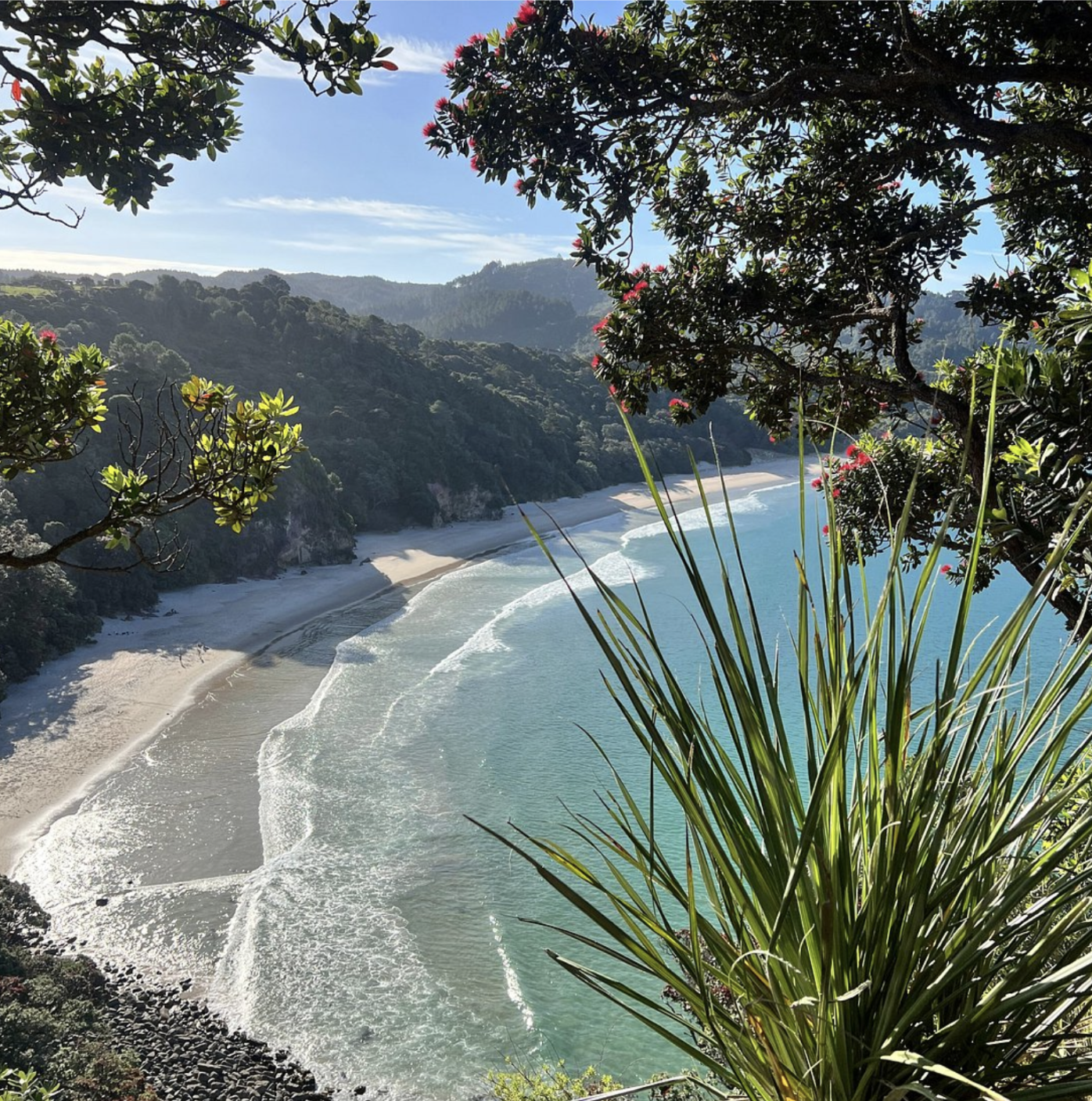
If you want to step back in time, head to New Chums beach, where there are no roads and no buildings, New Chums Beach is the Coromandel the way it used to be!
Once named by The Observer among the world's best deserted beaches, Wainuiototo is a roughly 1 km curve of golden sand backed by nīkau and pōhutukawa, just north of Whangapoua. The only ways in are on foot or by boat!
Park at the end of Mangakāhia Drive in Whangapoua (there's a public toilet here), cross the stream at the north end of the beach, pick your way along the rocky shoreline, then climb over a low saddle through a grove of nīkau palms. Allow 30–40 minutes each way.
Good to know: the stream crossing and rocky section sit close to the high-tide line, so avoid walking two hours either side of high tide. The beach is unpatrolled and can have strong surf, so swim with care. Take water and pack out everything you bring in.
5. Cool off at the Puketui Valley Waterhole
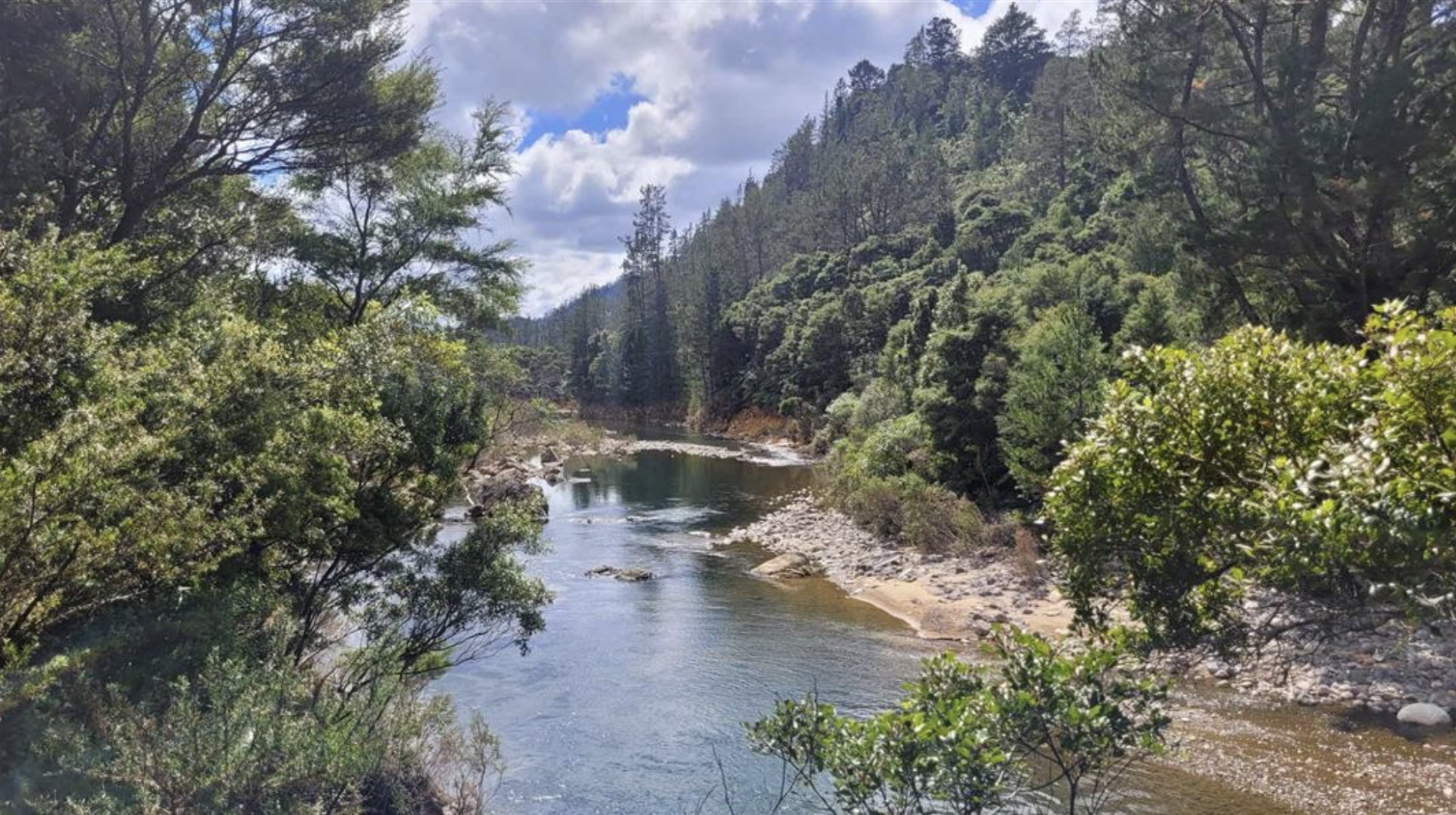
Just 20 minutes' drive from Tairua, Puketui Valley feels a world away from the beach crowds. Turn off the state highway onto a 6 km dead-end gravel road and you'll find a sheltered river valley with a microclimate of its own: often calm and warm while a southerly whips sand along the coast. It makes an easy day trip, a quick cool-off from the beach towns, or a camping stop at the Broken Hills campground.
A couple of minutes' stroll from the campground is the waterfall waterhole, a crystal-clear pool about the size of three spa pools, with rock ledges that step down into deeper water. It's perfect for sitting and soaking, and deep enough for confident adults to jump in. Fair warning though, the temperature is practically an ice bath!
A five-minute drive further on is Frog Rock, a favourite local swimming spot, and the Broken Hills gold-mining walks are right on the doorstep.
Good to know: always check depth and for submerged rocks before jumping, and stay out of the river after heavy rain.
6. Kayak into Donut Island (Whenuakura)
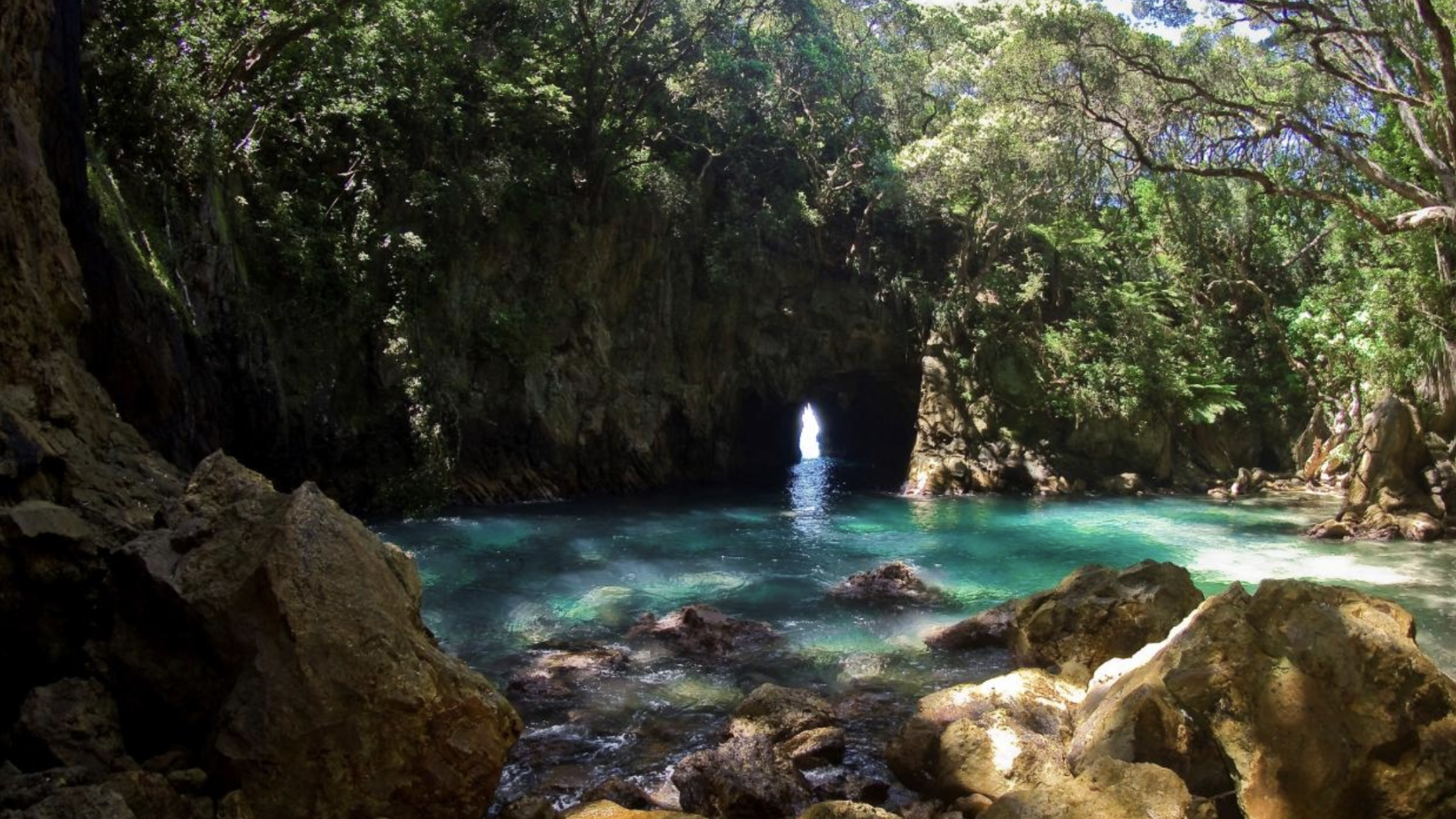
Just off Whangamatā Beach sits Whenuakura, better known as Donut Island: a small volcanic island hiding a turquoise lagoon at its centre, reached through a narrow, cave-like entrance. The island is a wildlife sanctuary and nobody is allowed to land on it, so the only way to experience the lagoon is from the water.
The best way to do it is on a guided kayak tour from Whangamatā. After a safety briefing you'll paddle around 30 minutes from the beach, then slip through the entrance into the sheltered lagoon, surrounded by native bush and birdlife.
Good to know: Whenuakura is exposed to wind and swell, so trips depend on conditions, and at low tide or in waves guides may keep groups in the entrance rather than the lagoon. On calm days it suits beginners. Stay in your kayak at all times, as landing on the island is not permitted.
7. Explore the Victoria Battery at Waikino
For a total change of pace from the beaches, head inland to Waikino, near Waihī, where the Victoria Battery once crushed gold-bearing rock around the clock. Operating from 1897 to 1954, it processed quartz ore from Waihī's Martha Mine and was the largest plant of its kind in Australasia, making it one of New Zealand's biggest industrial sites of the early 1900s.
Today its huge concrete foundations, ore kilns and steel relics sit among the bush beside the Ohinemuri River. The old Transformer House is now a museum filled with machinery, photographs and artefacts!
Good to know: the site sits on the Hauraki Rail Trail and the Karangahake Gorge walkway; cross the footbridge from Waikino Station. Opening hours are listed as 10am–3pm, but tour and tram days vary, so check ahead. More info
8. Walk the Karangahake Gorge Historic Walkway
The Karangahake Gorge Historic Walkway follows an old railway line through a dramatic river gorge, with gold-mining relics around every bend. Most visitors do the Rail Tunnel Loop (about 2.5 km, 45 minutes return).
Start at Karangahake Hall, pass the foundations of the old Crown Battery, cross the Western Portal Bridge over the Ohinemuri River and head into the 1,100 m rail tunnel. It's lit, but a torch adds to the fun. You'll emerge at the Eastern Portal Bridge, then loop back downstream along the river.
Good to know: the walkway is mostly flat, family-friendly and shared with cyclists on the Hauraki Rail Trail.
9. Visit Great Mercury Island (Ahuahu)
Lying about 8 km off the north-east coast, Ahuahu Great Mercury Island is the largest of the Mercury Islands and the only one the public can visit. It's privately owned and pest-free, and the owners welcome day visitors onto its white-sand beaches to swim, snorkel, picnic and explore, as long as you leave nothing behind. It's also a place of deep history: one of the earliest sites of human settlement in New Zealand, with legend saying its white cliffs were the first land Māori saw as they approached Aotearoa!
Good to know: there's no camping or overnight stays ashore; overnight boaties stay moored offshore. Biosecurity matters here, so check your boat and gear and anchor offshore rather than driving onto the beach. The other Mercury Islands are nature reserves with no landing, but they're spectacular to cruise past.
10. Swim, snorkel and kayak at Hahei Beach
Hahei is the kind of beach people plan whole summers around: sheltered turquoise water, white sand with a pink tinge, and a scatter of offshore islands that act as a natural breakwater, making it one of the most family-friendly swimming spots on the east coast.
It's also the gateway to Te Whanganui-o-Hei Marine Reserve, where decades of protection mean snapper, crayfish and reef fish are back in numbers. Hire a kayak or join a guided paddle north past Gemstone Bay and Stingray Bay to Cathedral Cove. Gemstone Bay has a marked snorkel trail, with buoys and information panels identifying the marine life below, so bring your masks! At the southern end of the beach, Te Pare Point has historic pā sites and sweeping views back across the bay!
Good to know: with the walking tracks to Gemstone and Stingray bays currently closed, both are reachable by water only. Water taxis and boat tours also leave from the beach. Nothing can be taken from the marine reserve.
I’m one of the owners at here at Coromandel Ocean Adventures. I grew up taking Summer holidays to the Coromandel and it’s a very special place to me. I’ve always loved the ocean and the outdoors and I love sharing it with people.
Premier tour
NZ’s top 10 snorkelling locations
Aldermen Islands/Ruamaahu Nature Reserve Tour
Also known as the Vanishing Volcanoes, this unique island chain consists of amazing rhyolite domes, sweeping cliff faces stretching hundreds of metres vertically into the air, and is littered with endemic flora and fauna not found anywhere on the mainland. Adding to the mystique of this magical place is the marine life commonly seen in the area.
One of the jewels of the Coromandels crown, Cathedral Cove, is a must do for anyone visiting our beautiful region. Come with us and explore Boat Harbour, the spectacular Orua sea cave, Hot Water Beach, Te Whanganui a Hei marine reserve, and other brilliant sites on this 2 hour tour of our backyard. A great option for all ages, and a neat way to see the lasting positive impacts of a 30 year old marine reserve.